Skip to product information
1 of 2

Quickpen Pro Peptides

Reta GLP-3R

Reta GLP-3R

Regular price €209,00 EUR
Regular price Sale price €209,00 EUR
Sale Sold out
Taxes included. Shipping calculated at checkout.
Size
Quantity

Reta is an investigational tri-agonist peptide studied for its interaction with three key receptor systems: GLP-1, GIP, and GCGR (glucagon). In research settings, it is examined for its ability to engage these pathways simultaneously, allowing scientists to explore multi-receptor activity within metabolic experimental models.

Reta activates the GLP-1 receptor, the GIP receptor, and the glucagon receptor. GLP-1 receptor activation promotes insulin secretion, reduces appetite, and slows gastric emptying. GIP receptor activation enhances the incretin effect on beta cells and may influence adipose tissue metabolism. Glucagon receptor activation increases hepatic glucose output and energy expenditure. The combination of all three agonist activities in a single molecule distinguishes GLP-3 R from dual-agonist compounds.

Pen Dosage Chart

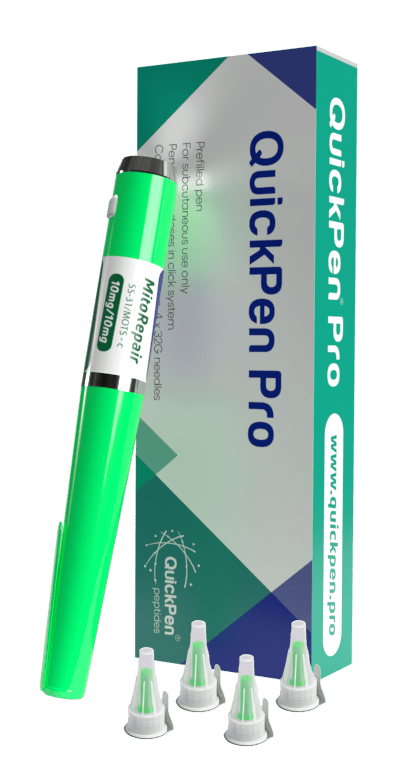
Reta GLP-3R 12mg QuickPen Pro
Volume 3.0 mL
mg/mL 4 mg/mL
Click-to-Dose 1 click = 0.04 mg
Example(s) 30 clicks(10 of Pen Scale) = 1.2 mg


Mechanism of Action

As a unimolecular agonist, Rеtаtrutіdе binds to GLP-1R, GIPR, and GCGR with high affinity, leading to cAMP-mediated signaling cascades that enhance pancreatic beta-cell insulin release, suppress glucagon in hyperglycemia, and increase hepatic fatty acid oxidation. In animal models, this results in upregulated thermogenesis via UCP1 in brown adipose tissue and reduced lipogenesis. In vitro studies confirm synergistic receptor crosstalk, amplifying AMPK activation for improved mitochondrial function and reduced inflammation markers like CRP.

Benefits

  • Triple Agonist Mechanism for Comprehensive Metabolic Regulation:
    Rеtаtrutіdе is a potent GLP-1, GIP, and glucagon receptor agonist, studied for its multi-pathway activation of energy metabolism. By engaging all three receptors, it enhances insulin secretion, suppresses appetite, and promotes lipid oxidation simultaneously. This triple agonist design provides broader metabolic modulation than single or dual incretin analogs, making it a leading subject in next-generation obesity and diabetes research.
  • Exceptional Weight Reduction Outcomes:
    Clinical and preclinical data show that Rеtаtrutіdе can produce up to 24% body weight reduction over extended treatment periods. This outcome surpasses previous GLP-1 or GLP-1/GIP agonists due to enhanced thermogenesis and fat oxidation mechanisms. Research indicates a sustained and progressive decline in both subcutaneous and visceral fat mass, positioning Rеtаtrutіdе as a new benchmark in metabolic optimization studies.
  • Marked Reduction in Visceral and Hepatic Fat:
    Rеtаtrutіdе has been observed to dramatically reduce liver fat content (over 80% in clinical data) and visceral adiposity in both obese and type 2 diabetic subjects. This effect stems from its ability to activate glucagon receptor-mediated lipid metabolism and enhance mitochondrial β-oxidation, promoting improved liver function and systemic metabolic balance.
  • Improvement in Glucose Control and Insulin Sensitivity:
    Through simultaneous activation of incretin pathways, Rеtаtrutіdе enhances insulin secretion, suppresses glucagon, and improves peripheral glucose uptake. This coordinated metabolic effect results in significant HbA1c reduction and stabilization of fasting glucose levels in research subjects. These findings highlight its potential as one of the most effective glucose-lowering peptides under investigation.
  • Enhanced Lipid Profile and Cardiovascular Markers:
    Rеtаtrutіdе administration has been associated with improved lipid metabolism, including reductions in total cholesterol, LDL, and triglycerides. Studies also report lower systolic blood pressure and inflammatory markers such as CRP, suggesting favorable cardiometabolic outcomes in long-term metabolic studies.
  • Stimulation of Energy Expenditure and Thermogenesis:
    In animal models, Rеtаtrutіdе increases thermogenic activity in brown adipose tissue via glucagon receptor signaling, leading to higher resting energy expenditure. Enhanced mitochondrial respiration and fatty acid oxidation contribute to continuous fat loss even under moderate caloric intake, establishing its potential as a metabolic rate enhancer in research applications.
  • Reduction of Systemic Inflammation:
    Rеtаtrutіdе has been observed to reduce inflammatory cytokines such as TNF-α and IL-6, while improving endothelial function and vascular elasticity. These anti-inflammatory and vasoprotective effects complement its metabolic actions, promoting improved cardiovascular resilience in experimental models of metabolic disease.
  • Preservation of Lean Body Mass:
    Research findings suggest that despite substantial fat loss, Rеtаtrutіdе supports the maintenance of lean muscle tissue. This balance between adipose reduction and muscle preservation reflects its unique energy-partitioning effect, making it valuable for studies exploring body recomposition and athletic performance enhancement.
  • Liver Function and NAFLD Improvement:
    Preclinical and early clinical studies show significant improvements in non-alcoholic fatty liver disease (NAFLD) parameters, including reduced hepatic inflammation and fibrosis. Rеtаtrutіdе’s triple-agonist activation enhances AMPK signaling, reducing lipid accumulation and promoting hepatic regeneration in metabolic liver research.
  • Synergistic Effects with GLP-1 and Mitochondrial Peptides:
    Experimental protocols combining Rеtаtrutіdе with Sеmаglutіdе, MOTS-c, or SS-31 are being explored to enhance mitochondrial bioenergetics, lipid metabolism, and overall metabolic performance. These stacked combinations aim to maximize fat oxidation, reduce inflammation, and sustain high energy efficiency in long-term research models.
  • Long-Term Metabolic Adaptation and Weight Maintenance:
    Follow-up studies indicate that subjects maintained over 80% of their weight loss after extended observation periods, even after discontinuation. This sustained adaptation reflects durable improvements in metabolic set-point, appetite control, and mitochondrial efficiency, marking Rеtаtrutіdе as a highly promising agent for advanced metabolic research.


Standard Research Protocol

  • Dose: 2 – 4 mg weekly, titrate to 12 mg
  • Duration: 20 – 48 weeks
  • Frequency: 1× weekly
  • Cycle Interval: 20 – 48 weeks on, 4 – 8 weeks off, then reassess
  • Goal / Description: Gradual weight reduction, improved glycemic markers

Glucose-Focus Protocol

  • Dose: 0.25 – 1.0 mg weekly
  • Duration: 8 – 10 weeks
  • Frequency: 1× weekly
  • Cycle Interval: 8 – 10 weeks on, 4 weeks off
  • Goal / Description: Improved fasting/postprandial control


View full details

FAQs

In most jurisdictions, purchasing peptides for legitimate scientific research is legal. However, laws vary by country and region. It is the researcher’s responsibility to ensure compliance with all local regulations. We do not sell to individuals for personal use.

We accept major credit cards, bank transfers, and cryptocurrency. Most domestic orders ship within 24–48 hours. International shipping is available to approved research institutions (delivery times vary by country and customs regulations).

Yes. Every batch undergoes independent third-party HPLC and mass spectrometry testing to verify purity (typically ≥98%) and identity. Certificates of Analysis (CoA) are available upon request for every product.

Reconstitution is typically done using bacteriostatic water or sterile water. Gently inject the solvent down the side of the vial and allow it to dissolve slowly. Do not shake vigorously. Refer to the specific peptide’s certificate of analysis or research protocol for recommended concentration.

For maximum stability, lyophilized (freeze-dried) peptides should be stored in a freezer at –20°C or below. Reconstituted peptides should be kept refrigerated (2–8°C) and typically used within 30–60 days. Always protect from light and avoid repeated freeze-thaw cycles.

Research peptides are short chains of amino acids designed for laboratory and scientific investigation. They are used exclusively for in vitro and in vivo research to study biological processes, tissue repair, cellular signaling, and other physiological mechanisms. They are not intended for human or animal consumption.

No. All peptides sold on this website are strictly for research and laboratory use only. They have not been evaluated by the FDA for safety or efficacy in humans. Researchers must comply with all applicable local, state, and federal regulations.

BPC-157 (Body Protection Compound-157) is a synthetic peptide derived from a protective protein found in the human stomach. It is one of the most widely studied research peptides for its potential effects on tissue healing, angiogenesis, gut health, and anti-inflammatory pathways in preclinical models.

The QuickPen Pro is a ready-to-use, ultra-convenient peptide delivery device designed for precise and consistent research dosing. It combines a high-quality pen injector with pre-measured research peptides for improved accuracy and ease of laboratory application.